Nabakka Sandra keeps returning to a single question, and it is not a technical one.
How does a farmer with good land, years of experience and a waiting buyer end up unable to borrow the money to plant?
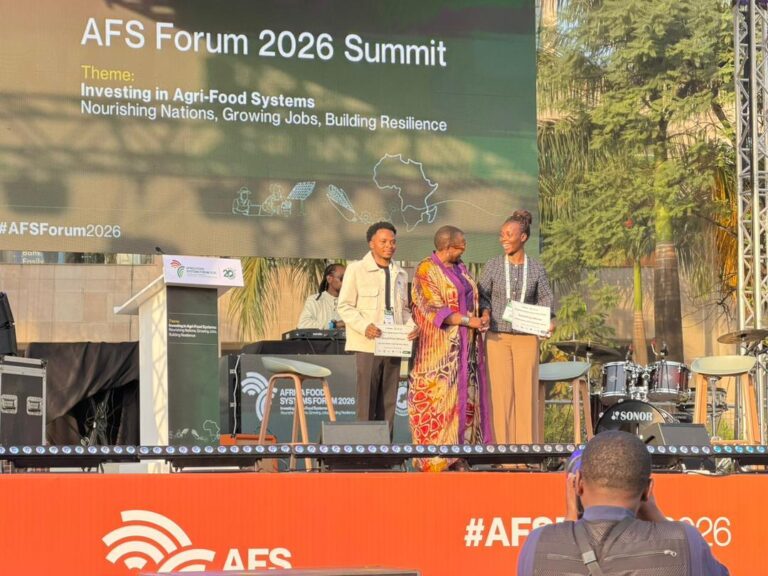
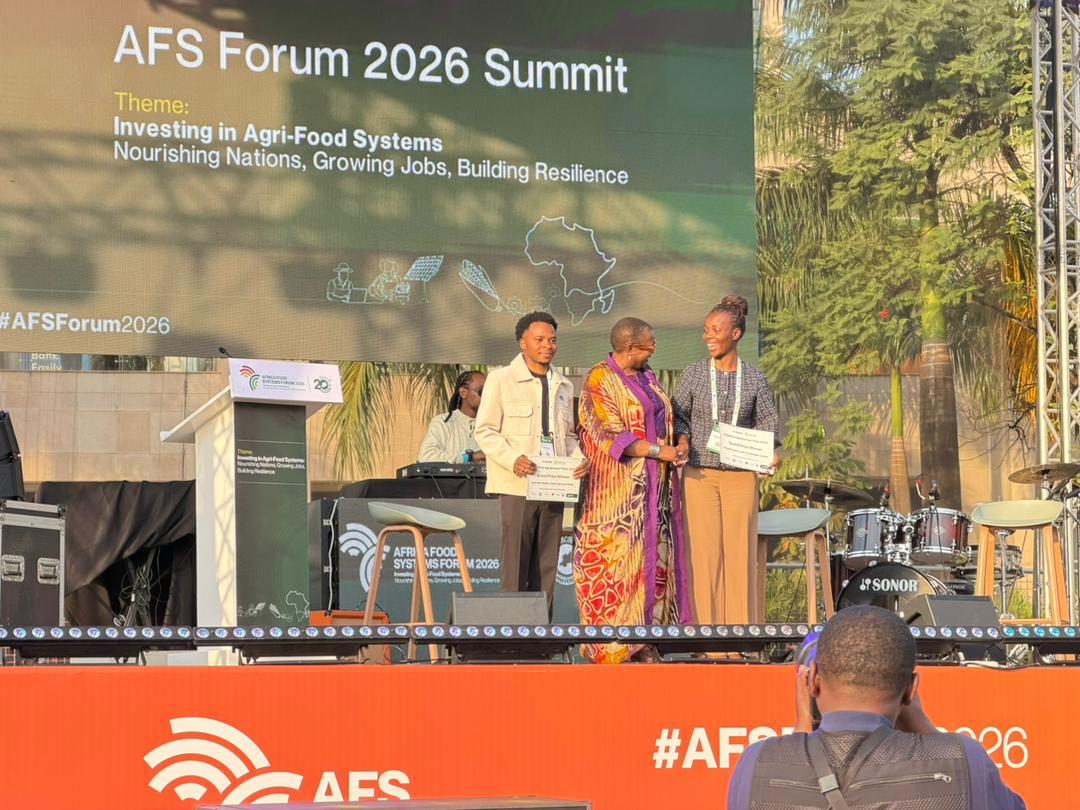
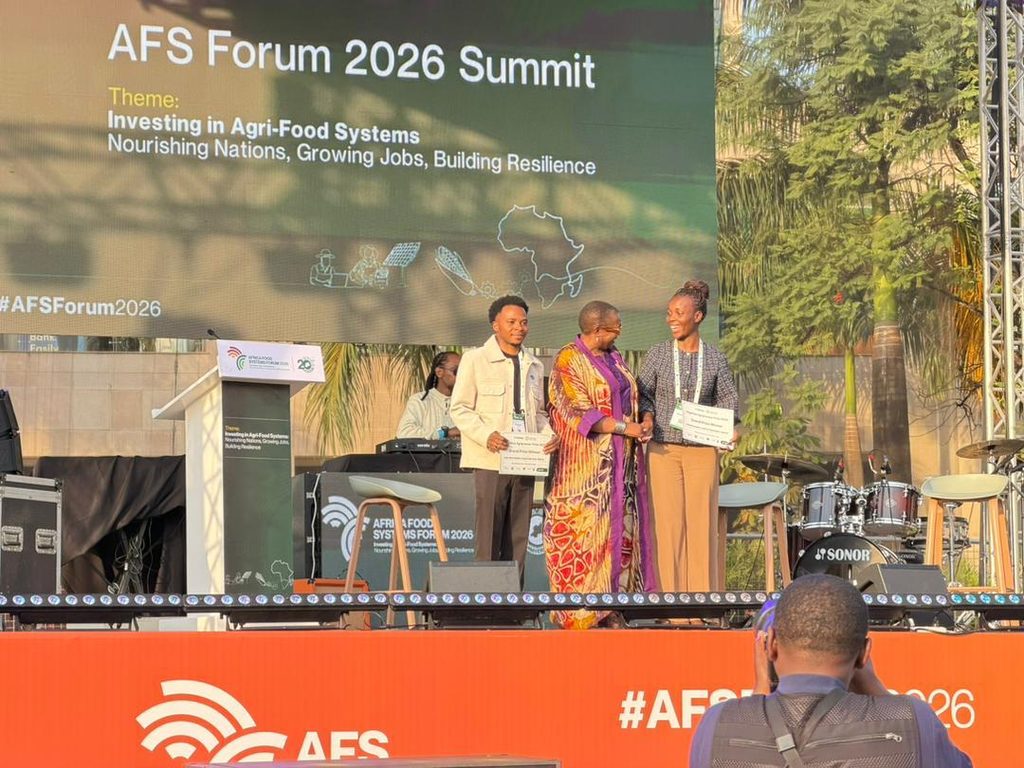
That question became SANDI AI Technologies, and in September 2026 it earned Sandra the Grand Prize at the GoGettaz Agripreneur Prize — US$50,000, or about UGX 190 million, handed over at the Africa Food Systems Forum Summit in Kigali.
Sandra’s background sits at an unusual intersection: artificial intelligence and sustainable development. She has spent her career pointing new tools at old, practical problems rather than chasing technology for its own sake. Agriculture was, in her telling, the obvious place to land. Farmers hold up the food supply and the rural economy, yet remain among the least visible customers in the financial system.
The mismatch is structural. Lending models were designed for salaried workers with paper trails — formal employment records, fixed assets, collateral a bank can seize. A smallholder farmer has none of that on file. What she has is land in production, a crop cycle she understands, and a market she can reach. In the language of a loan application, that counts for almost nothing.
SANDI AI’s premise is that this is a measurement failure, not a creditworthiness failure. The company applies artificial intelligence to read farmers differently — assessing needs, productivity and potential, then routing that understanding into financing decisions. The result is a lending pathway built around what farmers actually have instead of what institutions habitually ask for.
Sandra frames it as a change of gaze rather than a change of product.
“Farmers deserve financial systems designed around their realities,” she says. “Our ambition is to make access to finance smarter, fairer, and more inclusive.”
She belongs to a cohort of African founders who share a conviction: the most durable solutions on the continent will come from people who have watched the problem up close. Not imported software adapted late, but products designed from the start for the market they serve.
The prize money will fund technology work, expansion, and outreach to more farming communities. Sandra treats the award as a starting line. Millions of farmers still sit outside formal credit; one competition win does not move that number.
What it does is prove the thesis is fundable — that a company from Kampala, built by a founder solving a problem she understands from the ground up, can compete on a continental stage and win.
About the Author